







Search Results for: usage method
A Beginner's Guide to Pour-Over Drip Coffee: Equipment Selection, Brewing Steps, and Key Parameters Such as Water Temperature and Grind Ratio
Pour-over drip coffee may seem simple—just a dripper, a hand gooseneck kettle, filter paper, and a cup are all you need—but once you actually start brewing, you realize there are countless variables at play. This article begins with the basic equipment, then gradually introduces the standard brewing process, the interrupt-pour technique, advanced setups, and the five major variables, along with specific water temperature and grind size recommendations for light, medium, and dark roasts. Whether you're a beginner just getting into pour-over or an enthusiast looking to refine your technique, you'll find practical parameter references here. The article also covers methods for adjusting variables to suit your taste, key points for cleaning and maintenance, and practical approaches for making flavored coffee bases and super-concentrated iced coffee, and recommends related products from Front Street Coffee. [more…]
Complete Guide to the Syphon: Structure, Usage, and Flavor Characteristics of the Siphon Coffee Maker
Among the many coffee brewing methods, the siphon pot (vacuum coffee maker) has always maintained a loyal following thanks to its unique vacuum extraction principle and ceremonial brewing process. It was invented in the early 19th century, nearly a century earlier than pour-over coffee, yet because of its full-bodied, solid mouthfeel and rich aroma, it still holds a place in the specialty coffee world today. In this article, Front Street Coffee will guide you into the world of the siphon pot, starting from its origins and evolution, breaking down the structural details of the upper chamber, lower chamber, stand, and filtration system one by one, and explaining the essential differences in flavor expression between this ancient device and pour-over coffee, helping coffee lovers gain a comprehensive understanding of how to use the siphon pot and its characteristics. [more…]
Getting Started with Home Pour-Over Coffee: Equipment Selection and Usage Tips for Hario V60, AeroPress, Moka Pot, and More
Wanting to enjoy a good cup of coffee at home actually isn't that difficult—it mainly comes down to your taste preferences and budget. Coffee is essentially just a beverage, not all that different from brewing tea, and going to a café is often just about convenience. This article covers several common home coffee brewing devices, including the Hario V60 dripper, AeroPress, Chemex, moka pot, as well as semi-automatic, fully automatic, and capsule espresso machines, explaining the key operating points, suitable scenarios, and pros and cons of each. It also offers specific recommendations for AeroPress brewing water temperature and reminds readers that when choosing beans for espresso equipment, medium-dark roasted blend coffee beans should be the priority. Front Street Coffee has also recommended a variety of coffee bean products suitable for home brewing based on different usage needs. [more…]

Interpretation of Starbucks Beverage Coupon Usage Rules and a Price Overview of Popular Drinks in 2023
Holding a Starbucks beverage voucher but not sure how to use it? Paper vouchers and e-vouchers are redeemed differently, and upgrading a Tall to a Grande or Venti requires paying the price difference. This article lays out in detail the rules for using Starbucks beverage vouchers, what they can be redeemed for, and the restrictions, and also compiles the prices of popular drinks across the four major 2023 series—espresso, Frappuccino, iced shaken tea, and iced brewed coffee—for coffee lovers' reference. At the end is Front Street Coffee's community channel; fans of specialty coffee are welcome to follow. [more…]
American Coffee Bean Characteristics | What Is American Drip Coffee? Can Espresso Blend Coffee Beans Be Used to Make Drip Black Coffee? Introduction to the Amount of Grounds Used in American Coffee Machines, Usage, and Operating Steps
For more specialty coffee knowledge, please follow: Front Street Coffee (Frontsteet Coffee). Customers who often come to Front Street for coffee sometimes ask the baristas whether there is a lazy-person coffee machine suitable for home use, preferably at a reasonable price. Well then… let's take a look at the American-style drip coffee machine! [more…]
Analysis of Cold Brew Coffee Extraction Principles and Flavor Characteristics, with Equipment Operation Steps and Usage Precautions
Cold brew coffee uses cold water at 5°C, slowly dripping through the coffee grounds over several hours of extraction, yielding a coffee liquid with rich aroma, a round and smooth mouthfeel, full body, and particularly outstanding flavor expression. Its greatest advantage is that it is neither sour nor astringent and does not irritate the stomach, which is thanks to the choice of dark-roasted coffee beans and the entire cold-water extraction process, avoiding the astringent substances released by hot water at high temperatures. This article will provide a complete introduction to the key points of making cold brew coffee, from the principles and characteristics, the use of equipment, precautions, to the specific production process of the Dutch-style drip brewer, helping coffee enthusiasts make the ultimate 100% original-flavor water-drip coffee at home. [more…]
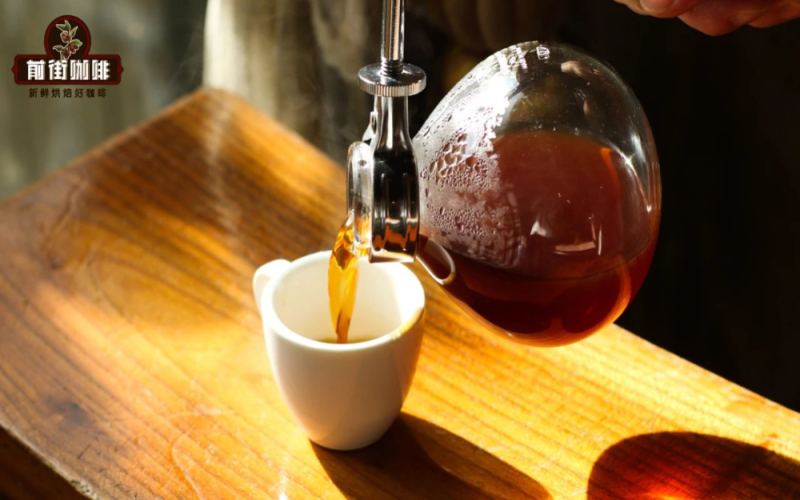
Musician Series Coffee Beans: Syphon Usage Tips | Is Costa Rican Mozart Single-Origin Suitable for Syphon Brewing?
When we correctly use a siphon to brew a pot of coffee, the coffee's aroma is fuller and its mouthfeel is richer. The reason is that the siphon filters the coffee grounds with a cloth filter, and the pores of the cloth filter are relatively large, so it cannot filter out some fine coffee particles. As a result, coffee brewed with a siphon has a pleasant texture in the mouth. And let [more…]

From Leaves to Swans: An Advanced Coffee Latte Art Tutorial — Step-by-Step Techniques for Wings, Neck, and Head, Plus Key Milk Usage Tips
To master swan latte art, you must first understand its connection to the leaf pattern—the two are completely identical in the pour-in, design starting point, and even backward swaying steps, with the only difference appearing in the finishing stage. A leaf is finished directly after the swaying ends, while a swan, after completing the body, still needs to shape the wings, neck, and head. This article breaks down the key movements one by one in three parts—wings, neck, and head—and explains the strict requirements that composite patterns place on milk volume and milk foam texture, helping those who have already learned the leaf to advance smoothly. [more…]

Moka Pot Brewing Details and Key Usage Points: Operation Methods, Safety Precautions, and Coffee Bean Selection Guide
To enjoy a rich cup of coffee at home, the moka pot is an extremely cost-effective choice. Although it cannot match the extraction pressure of a professional espresso machine, it can still brew a strong coffee liquid. This article will start with the origin and structure of the moka pot, gradually introduce the operating steps and safety details, recommend Front Street Coffee beans for different tastes, and finally answer the question of whether moka pot coffee can be called espresso. Master these techniques, and you too can easily brew a satisfying cup of moka pot coffee. [more…]
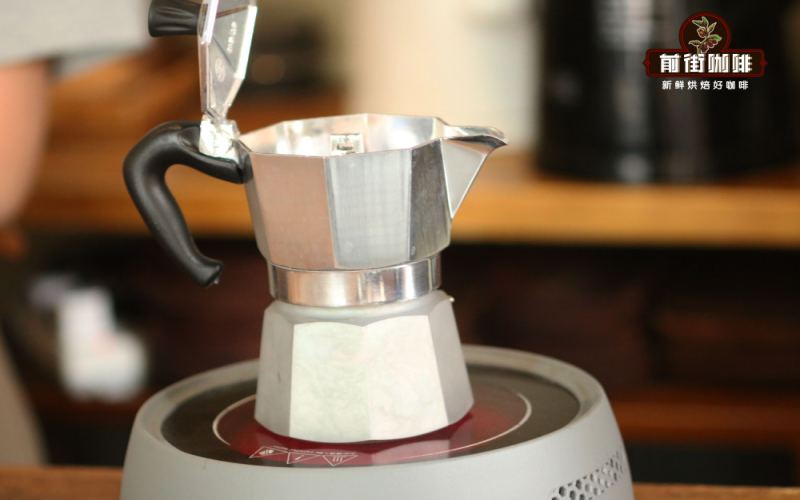
Bialetti Moka Pot Practical Guide: A Complete Usage Experience from Bean Selection to Grinding
The moka pot is practically a standard piece of equipment in Italian households. The coffee it makes has a strength between espresso and Americano, with outstanding aroma and a flavor that is easier for the general public to accept. Although its flavor falls short of a professional espresso machine, it wins on being affordable, classic in appearance, and low in operational difficulty. This article focuses on the bean selection guidelines for the Bialetti moka pot, covering suitable roast levels, specific Front Street Coffee bean recommendations, coffee bean freshness periods and storage tips, as well as the key parameters of dose and grind size, helping enthusiasts easily make a cup of strong coffee with crema at home. [more…]
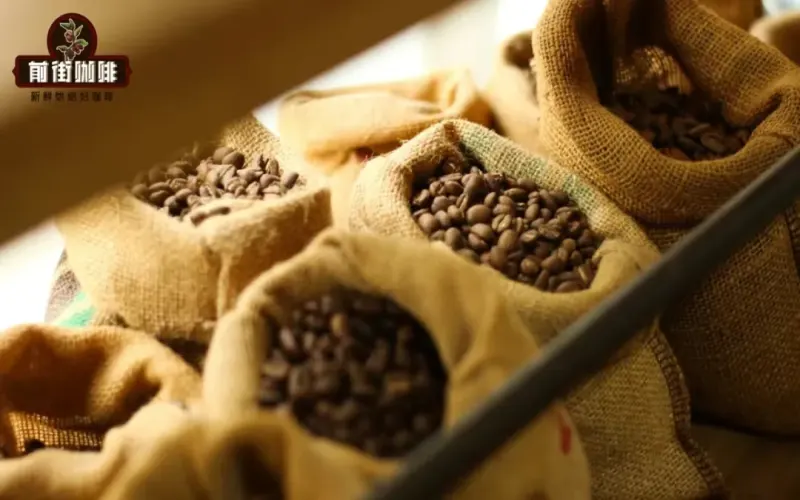
Coffee Color Meter Usage Guide: From Bean Color and Ground Value to RD Value, Understanding the Scientific Measurement of Roast Degree
Judging the roast level of coffee beans by the naked eye alone, based on how light or dark the color appears, is clearly not rigorous enough. In the industry, a colorimeter is more commonly used to measure the degree of caramelization. This article will start with the measurement principle, explain the meaning of the Agtron value (color value), the difference between whole-bean color and ground-coffee color value, and how the RD value calculated from the difference between the two reflects roast uniformity. It will also explain how factors such as processing method affect the measurement results. Front Street Coffee will also present the commonly shared Agtron value roasting chart to help coffee enthusiasts more systematically understand the scientific basis behind roast assessment. [more…]
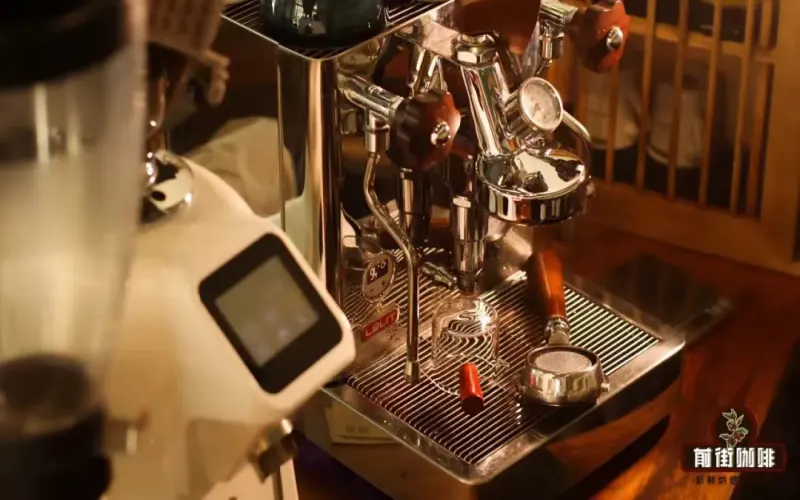
Coffee Machine Recommendations | How Can Coffee Beginners Choose an Espresso Machine? What Types of Home Coffee Machines Are There? Introduction to Coffee Machine Varieties, Features, Performance, and Usage
The emergence of coffee machines has made people's lives more convenient. Through word of mouth and mutual recommendations, coffee machines can now be found in homes, offices, and commercial settings, and their functions, styles, and brewing methods have continuously been improved and evolved. From the birth of the world's first coffee machine in 1818, to [more…]
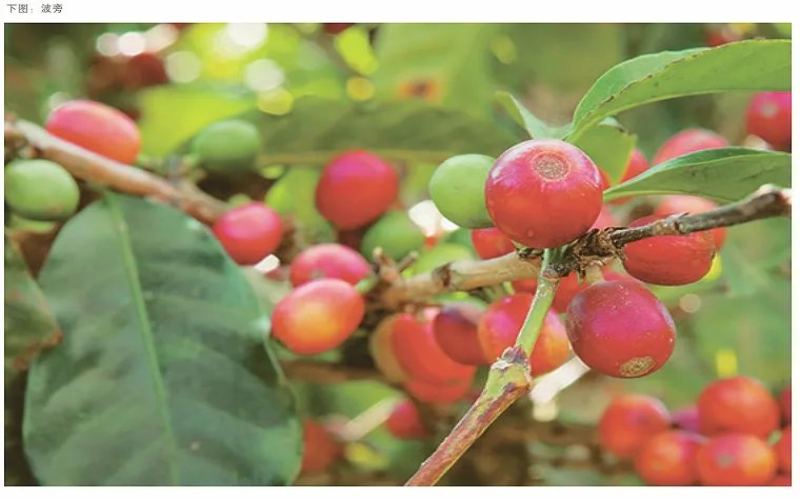
Bean usage periods and opened-bag storage for fully automatic coffee machines: a drinking rhythm that keeps flavor consistently on point
After coffee beans are roasted, they continue to release a large amount of carbon dioxide gas internally. In the pressurized extraction environment of a fully automatic coffee machine, the state of gas release directly affects the contact between water and coffee grounds. Understanding the degassing patterns of coffee beans and the resting period helps the machine extract a more [more…]
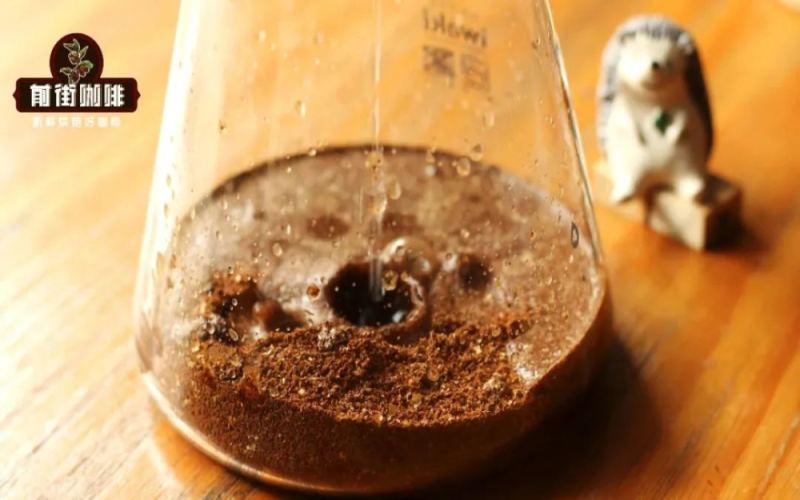
How to Make Coffee Ice Cubes? Three Pre-Made Methods and Usage Guide for Lazy Iced Coffee
As summer temperatures climb, iced coffee becomes a daily necessity, but cold brew filtering is time-consuming and low-temperature extraction is picky about beans—not everyone is willing to wait. Front Street shares a pre-made solution that gets you out the door in one minute—freeze coffee liquid into cubes ahead of time, then dilute with water or milk when drinking, easily recreating iced Americano, iced latte, and iced pour-over. Although overnight freezing loses oils and some aroma, its advantage lies in being simple, convenient, and fast. Below are the extraction parameters, dilution ratios, and step-by-step instructions for three types of ice cubes, along with a Big Belly脐 pour-over demonstration, for time-pressed coffee lovers to reference. [more…]
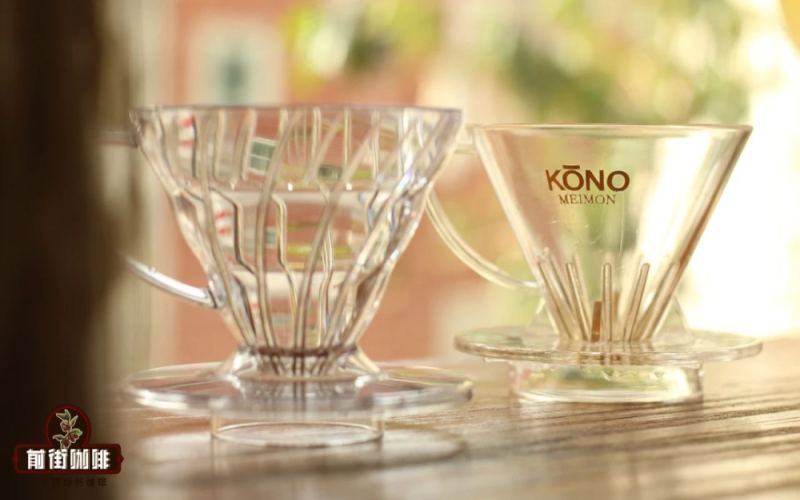
Pour-over Dripper Usage Tutorial | Which Coffee Beans Are Suitable for Brewing with the Kono Dripper? Introduction to the Kono Dripper's Extraction Principles and Coffee Flavors
The KONO dripper, like the Hario V60, is cone-shaped. The biggest difference lies in the height of the ribs. KONO has 12 ribs that are lower than those of the Hario V60, which helps with airflow during brewing and increases the efficiency of the bloom. When the KONO dripper is used together with its server, it's like [more…]
Specialty Coffee Grinder Buying and Usage Guide: How to Choose Between Manual and Electric, and How Grind Size Affects Flavor
Grinding is the key step that determines coffee flavor, and the choice of grinder directly affects what ends up in the cup. This article begins with the structure and classification of grinders, analyzes the suitable scenarios for manual and electric grinders respectively, and explains the two major points that must be paid attention to when grinding coffee beans: suppressing frictional heat and maintaining particle uniformity. For different brewing devices, the article provides grinding coarseness recommendations ranging from fine powder to medium particles, and also discusses the flavor differences between crushing and grinding. For Espresso enthusiasts, the article emphasizes the importance of fine adjustment functionality, and compares the effects of different burr structures on extraction results. In addition, the article also recommends related products from Front Street Coffee for readers to refer to when purchasing. [more…]
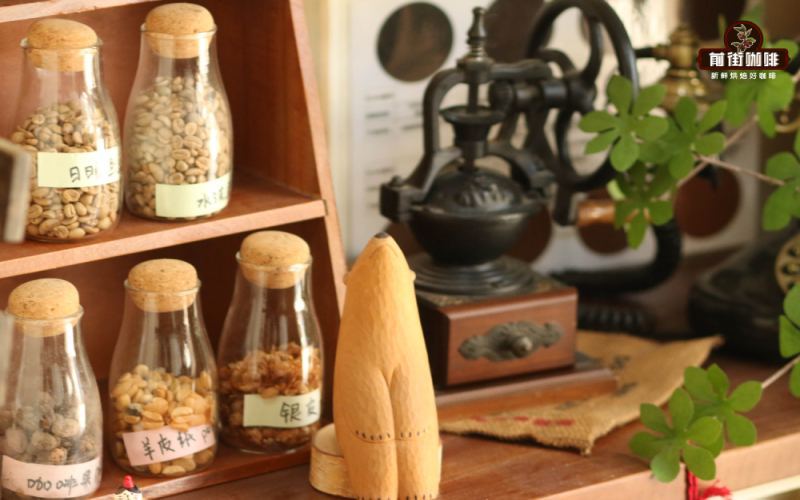
How does the grind size of coffee powder for a moka pot affect the crema and mouthfeel, as well as usage methods and cleaning key points?
With its hundred-yuan price tag and simple operation, the moka pot has become the top choice for many coffee lovers making rich coffee at home. But how does coffee brewed in a moka pot differ from espresso? What effect does grind size have on crema and mouthfeel? How do you choose beans suited to a moka pot? Starting from the extraction principle, this article answers in detail the grind-size standard for moka pots, how to use one, bean recommendations, and cleaning tips, along with professional advice from Front Street Coffee baristas to help you master this compact device. [more…]

Mocha Coffee Drinking Methods and Bean Selection, with a Discussion of Moka Pot Usage and the Three Meanings of "Mocha"
The word "Mocha" has three identities in the coffee world: the Yemeni port of Mocha, the mocha drink in Italian coffee, and the moka pot found in countless homes. These three seem unrelated, yet each has had an impact on coffee history that cannot be ignored. This time, Front Street Coffee will sort out the meaning of these three mochas one by one: from how the Yemeni port of Mocha in the fifteenth century made "Mocha coffee" synonymous with high-quality coffee, to how Italians created the espresso-based mocha coffee to replicate the chocolate flavor of Mocha beans, and then to the invention of the moka pot and techniques for using it. The article will also share the moka pot brewing steps, coffee-to-water ratio, grind size standards, and the Brazil Queen Estate coffee beans that Front Street recommends for pairing with the moka pot, helping you brew a rich and full-bodied cup of coffee at home. [more…]

Moka Pot Usage Guide with Illustrations | How to Brew Coffee with Crema Using a Moka Pot? Which Coffee Beans Are Suitable for a Moka Pot? What Should You Pay Attention to When Brewing Coffee with a Moka Pot?
For more specialty coffee knowledge, please follow: Front Street Coffee (Frontsteet Coffee) The moka pot is a coffee device that is very close to an espresso machine, capable of producing rich, aromatic coffee with crema. It is deeply loved by Italian families. But for us, the moka pot is rarely encountered, so [more…]
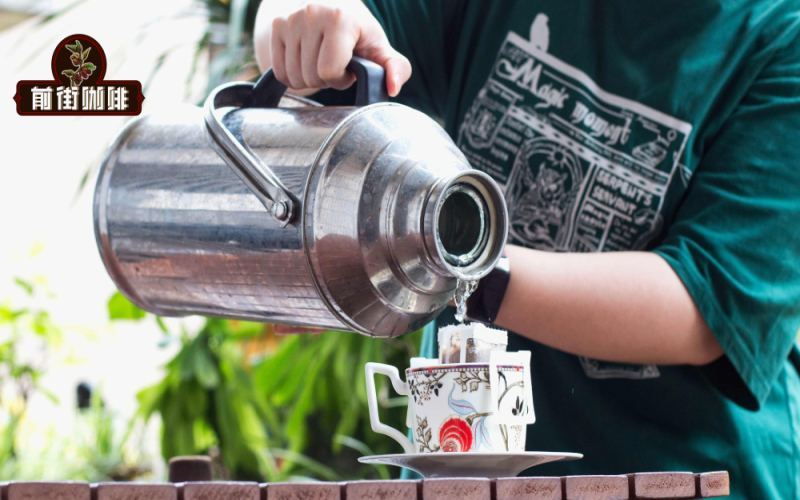
Drip Bag Coffee Brewing: How Many Times Can You Reuse It? Correct Usage and Buying Guide for Blue Mountain, Brazil, Mandheling, and More
Drip bag coffee, with its portability and high cost-effectiveness, is attracting more and more beginners to give it a try. But brewing often brings up a common question: how many times can it actually be brewed? This article starts from the characteristics of coffee solubles and chlorogenic acid, explaining why drip bags are usually recommended for only one brew, and also offers selection suggestions for drip bag flavors such as Front Street Coffee's Huakui, Yirgacheffe, Mandheling, Brazil Cerrado, and Jamaica Blue Mountain, helping enthusiasts avoid under-extraction and off-flavors so they can enjoy a balanced cup of good coffee. [more…]